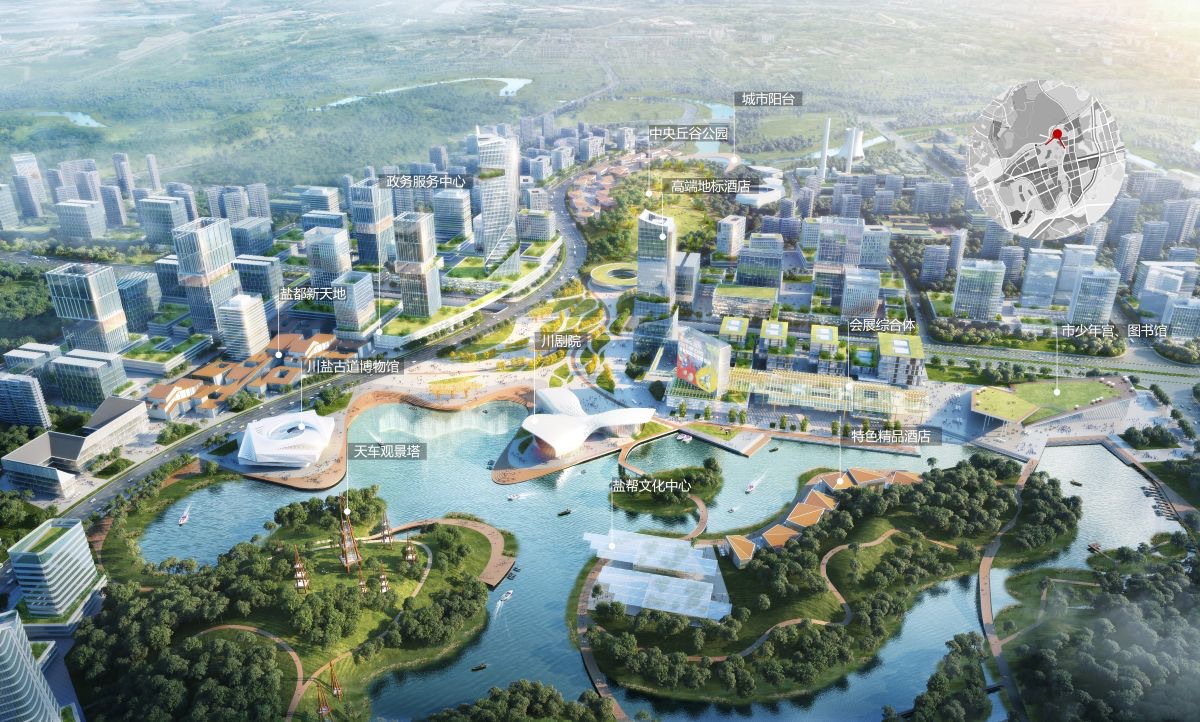
Context
Zigong is a shrinking post-industrial city with exceptionally rich salt-related cultural heritage. While cultural assets are abundant, they are spatially fragmented and weakly connected to everyday urban life, limiting their ability to support long-term urban regeneration.
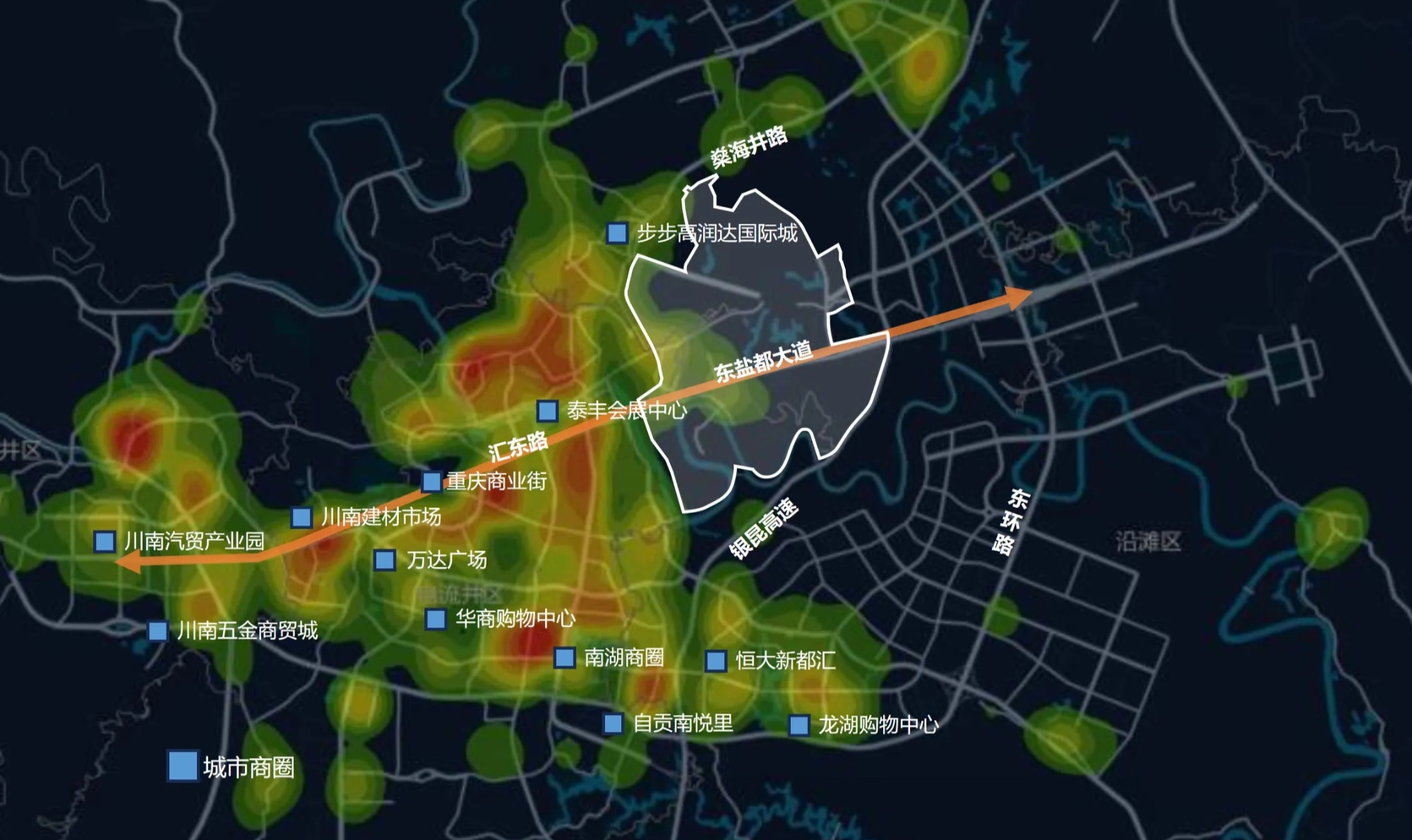
The project area sits beyond Zigong’s established commercial clusters, creating both a connectivity challenge and an opportunity for a different kind of urban center.
The planning problem
The central question was not whether to develop tourism, but whether culture could move beyond themed attractions and short-term consumption. Existing development models risked commodifying heritage without generating a durable civic structure capable of anchoring public life and future economic transition.
Civic before commercial
The project proposed a new urban core structured as a civic center before a commercial center, prioritizing public institutions, cultural venues, and collective spaces. Salt heritage was translated into a spatial and organizational framework rather than symbolic theming.
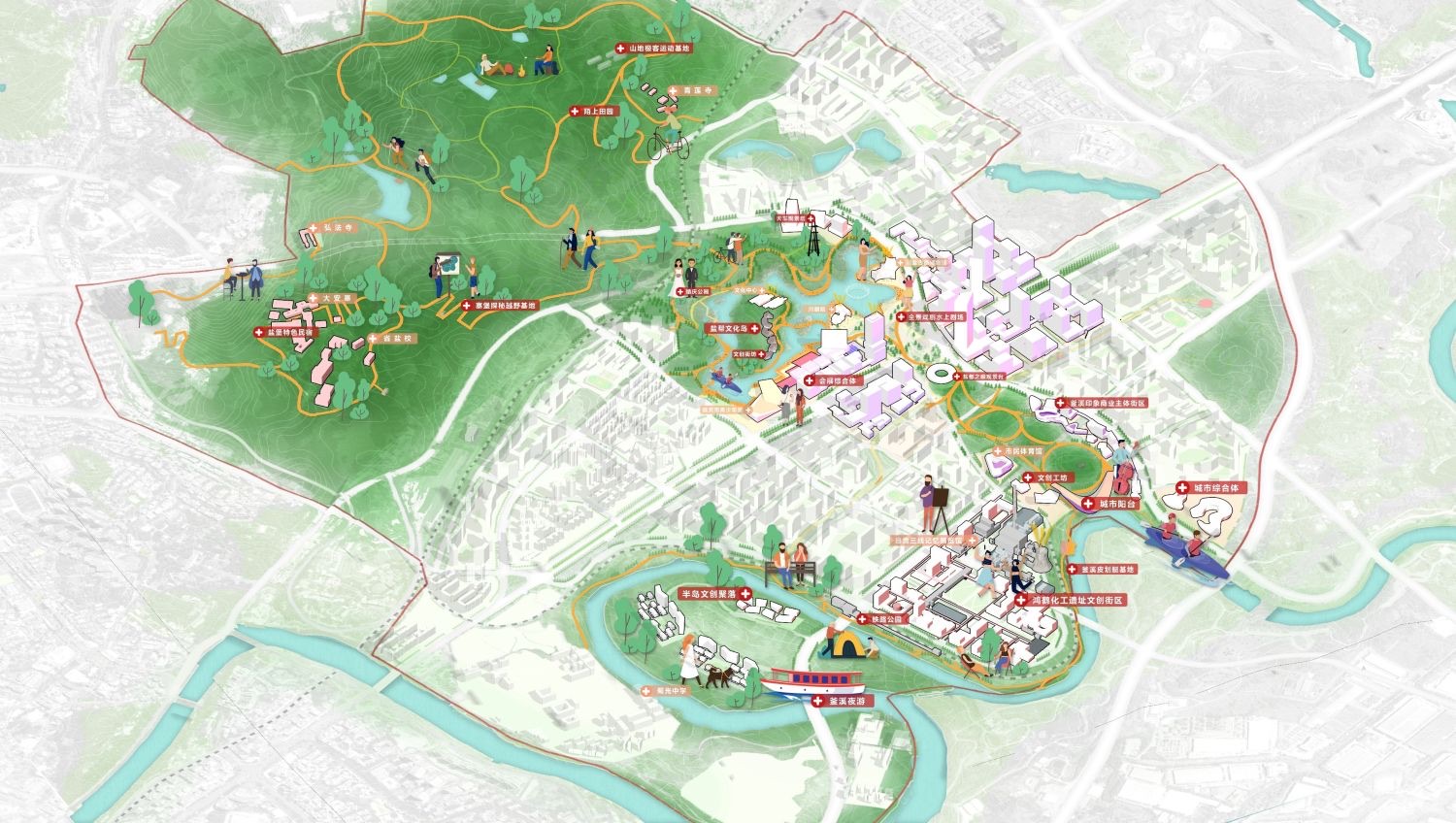
Cultural sites, industrial legacies, waterways, and landscape resources are connected into a continuous public system.
Heritage as an adaptable framework
Fragmented cultural and landscape resources were linked across the site, while industrial legacy areas were retained as adaptable platforms for cultural production and emerging industries. This approach allows the district to evolve under long-term uncertainty without erasing the material foundations of its identity.
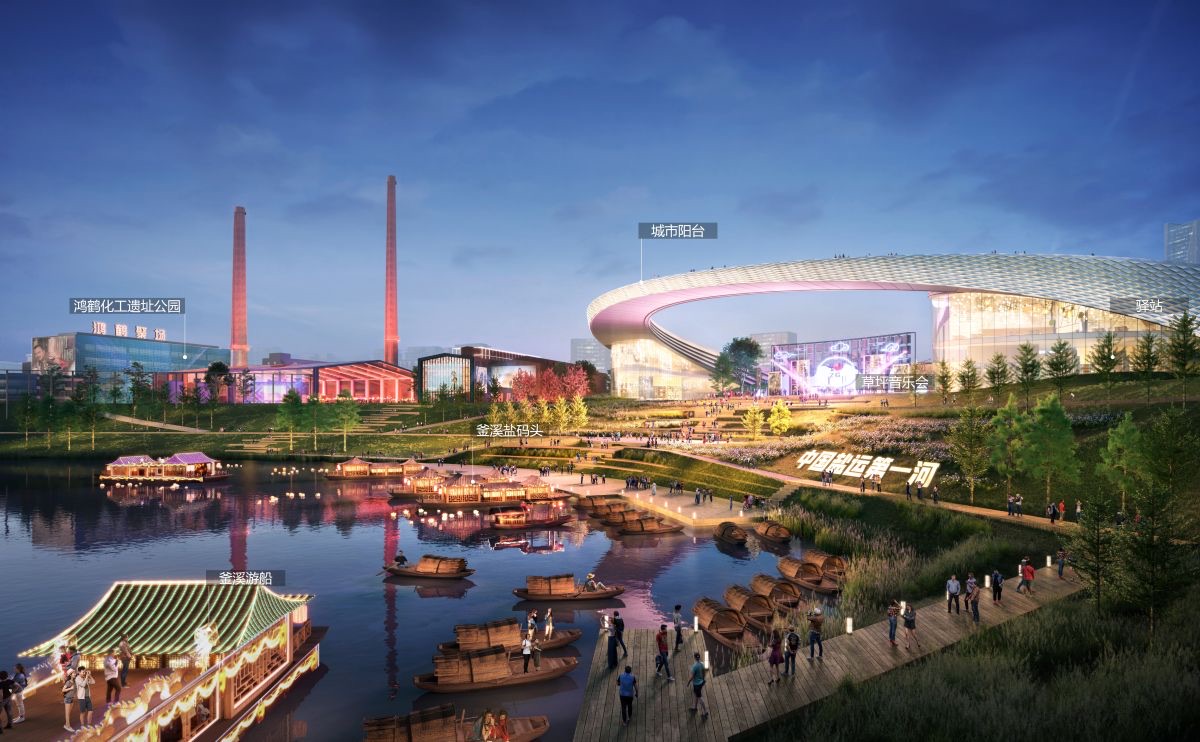
Industrial heritage, civic programs, and public waterfront spaces form a shared setting for everyday life and cultural activity.
Outcome
The strategy reframes culture as a structural driver of urban organization rather than a consumable attraction. It offers a model for post-industrial cities to integrate heritage, public life, and future development through spatial continuity and institutional anchoring, supporting regeneration without relying on short-term tourism logic.